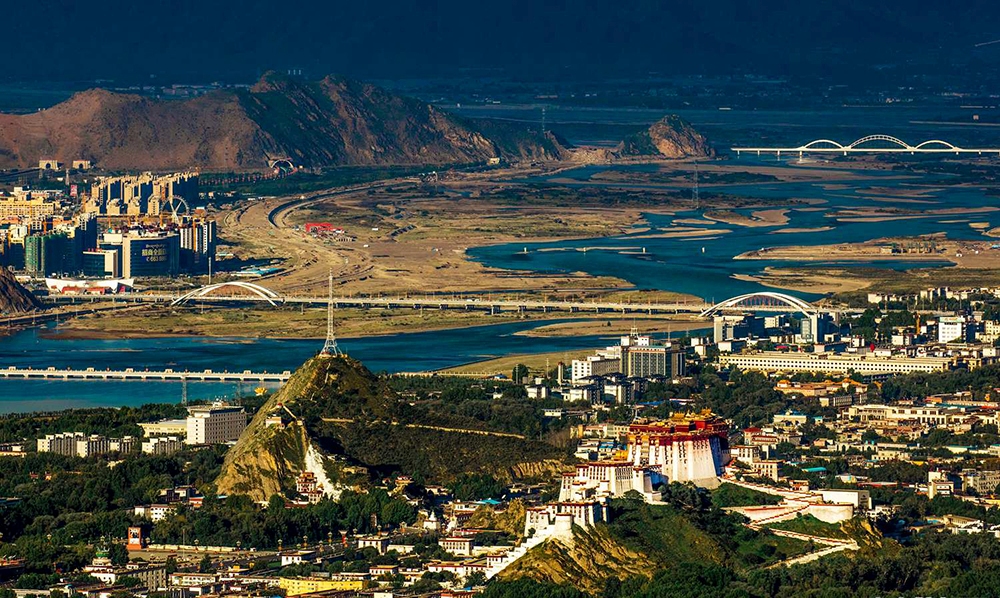
The Poetry of Tsangyang Gyatso: Thoughts from Mon-yul
For over 300 years, the poetry of Tsangyang Gyatso has been widely celebrated and deeply cherished by people of all ages. Born in 1683 at the Shartso Baigar Palace in Lahor Yulsung, Mon-yul, Xizang (present-day Urgyenlin in the Mon-yul region of Xizang), Tsangyang Gyatso was officially recognized by the Qing Dynasty’s central government in 1697 as the Sixth Dalai Lama and invited to reside in the Potala Palace. In recent years, the life and literary works of Tsangyang Gyatso have attracted growing attention from a broad readership through both traditional and emerging media. Numerous translations have emerged, each reflecting distinct stylistic interpretations. These poems embody the cultural essence of the Chinese nation, offering spiritual enrichment to readers and serving as a lasting source of inspiration for artists and creators alike.
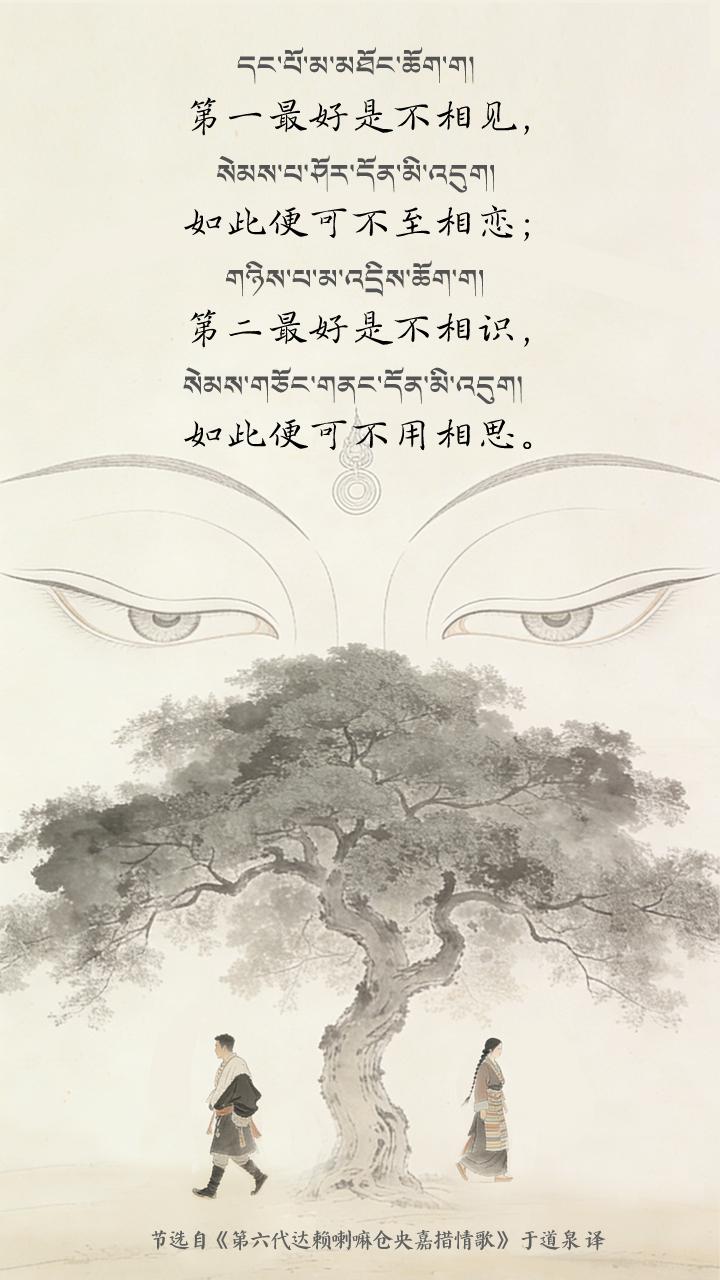
Yu Daoquan’s Translation (1930)
Yu was the first to translate and publish the poetry of Tsangyang Gyatso. Given that the content primarily revolves around themes of love, Yu titled the compiled collection “The Love Song and Poems of the Sixth Dalai Lama Tsangyang Gyatso.”
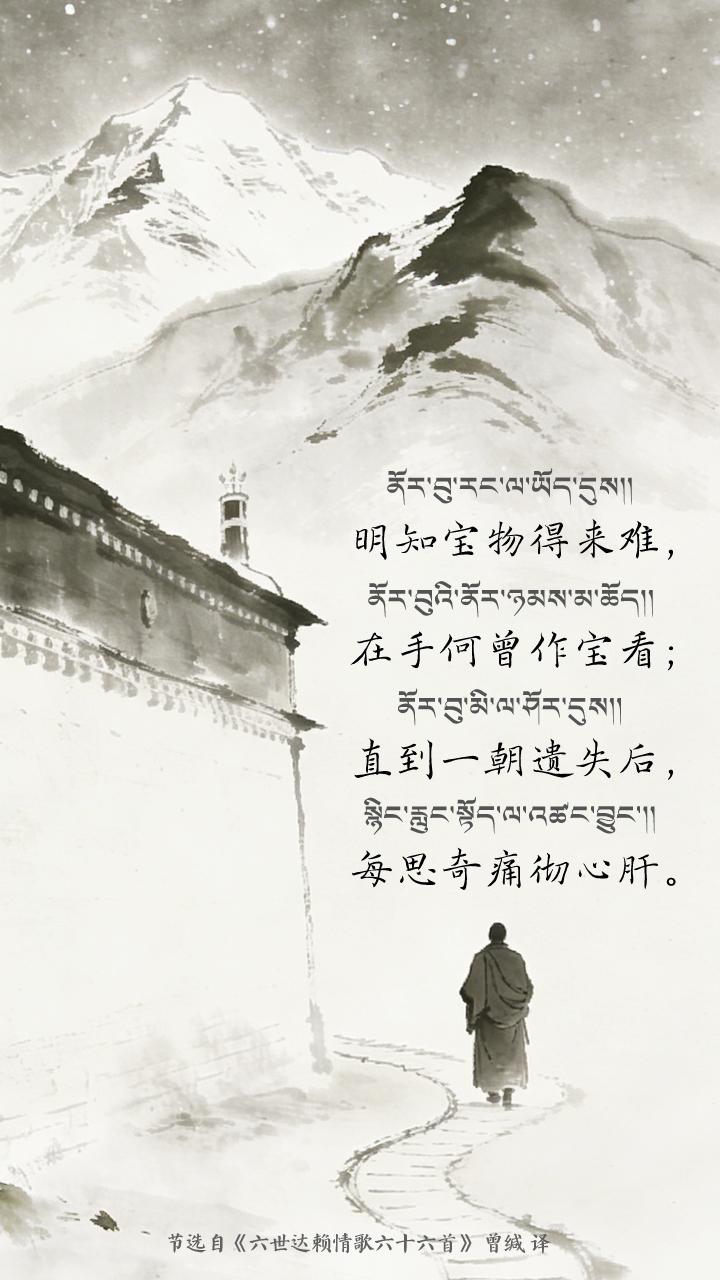
Zeng Jian’s Translation (1937)
Zeng employed a seven-character-quatrain, which stands as the most widely circulated and classic translation. The rendition is characterized by its elegant language and profound artistic conception. While remaining faithful to the core meaning, it ultimately pursues the aesthetic excellence of imagery and rhythmic harmony inherent in Chinese poetry.
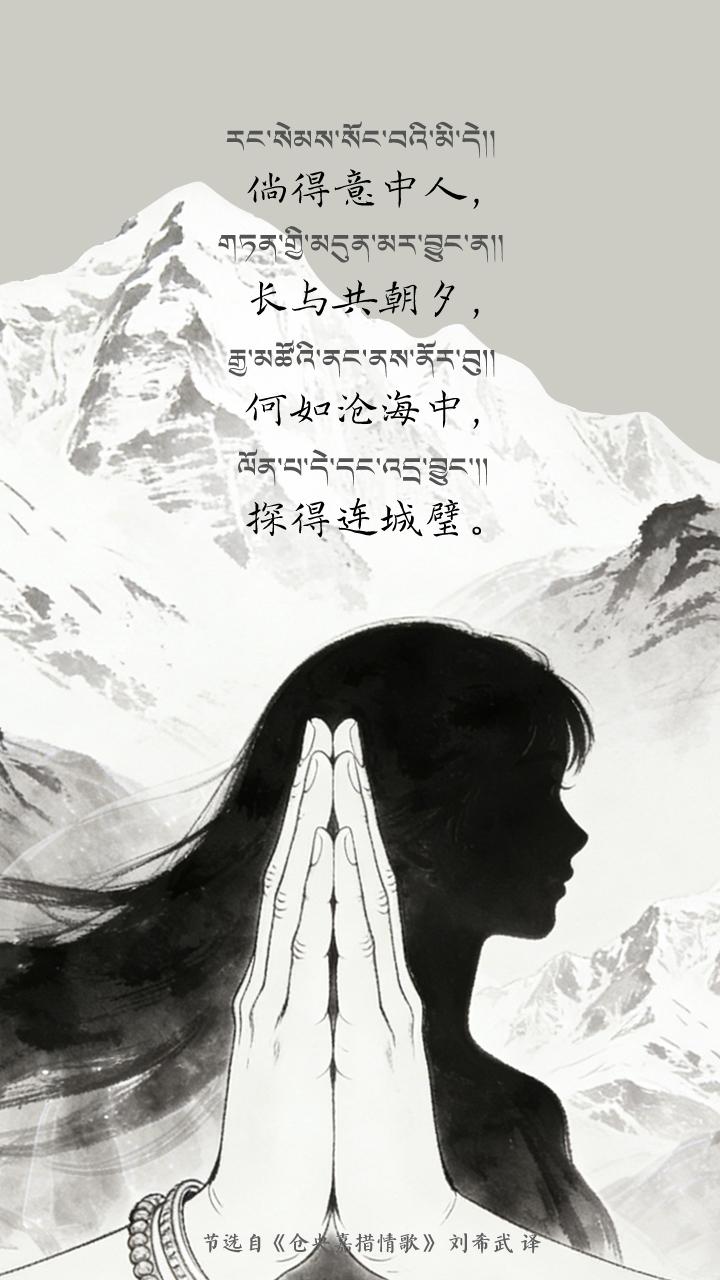
Liu Xiwu’s Translation (1937)
Liu is a distinguished classical prosodic translator of poetry, whose work pioneered the use of five-character-quatrain to achieve precise and elegant renderings in translation.
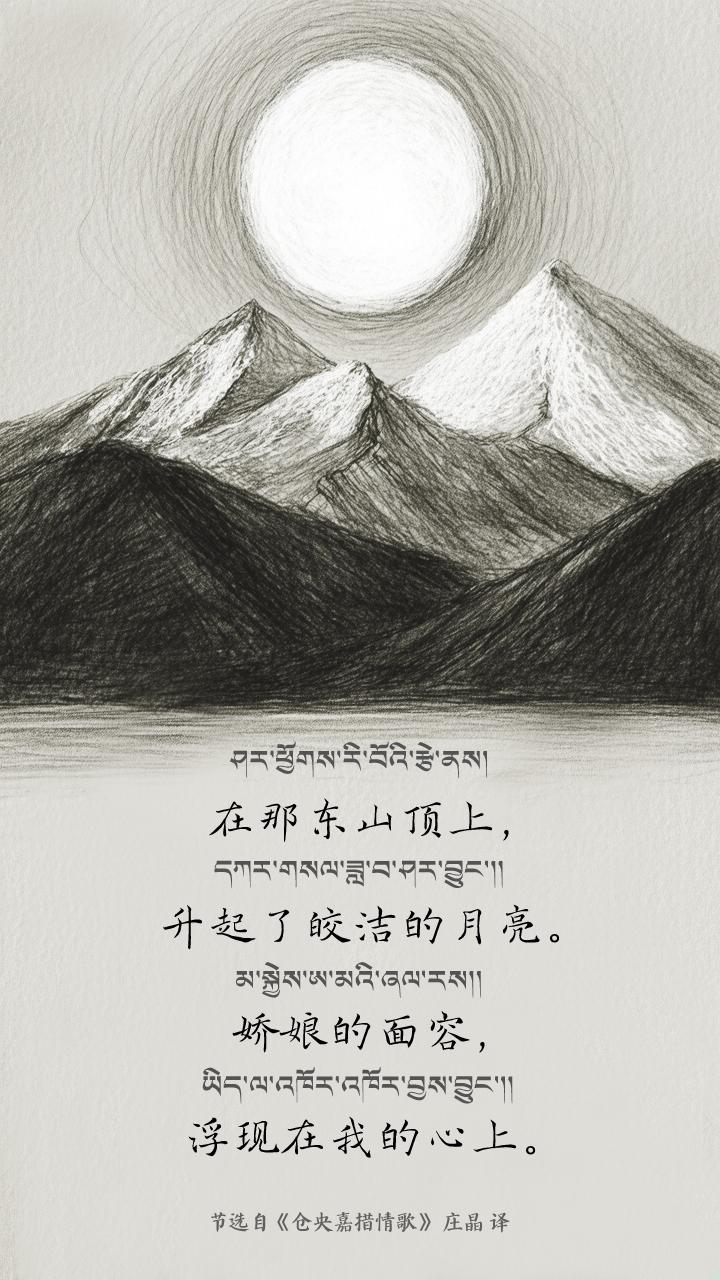
Zhuang Jing’s Translation (1980)
Zhuang endeavors to restore the original structure and precise meaning of poetry, and Zhuang’s translation is grounded in a comprehensive organization and rigorous examination of the Tibetan source materials.
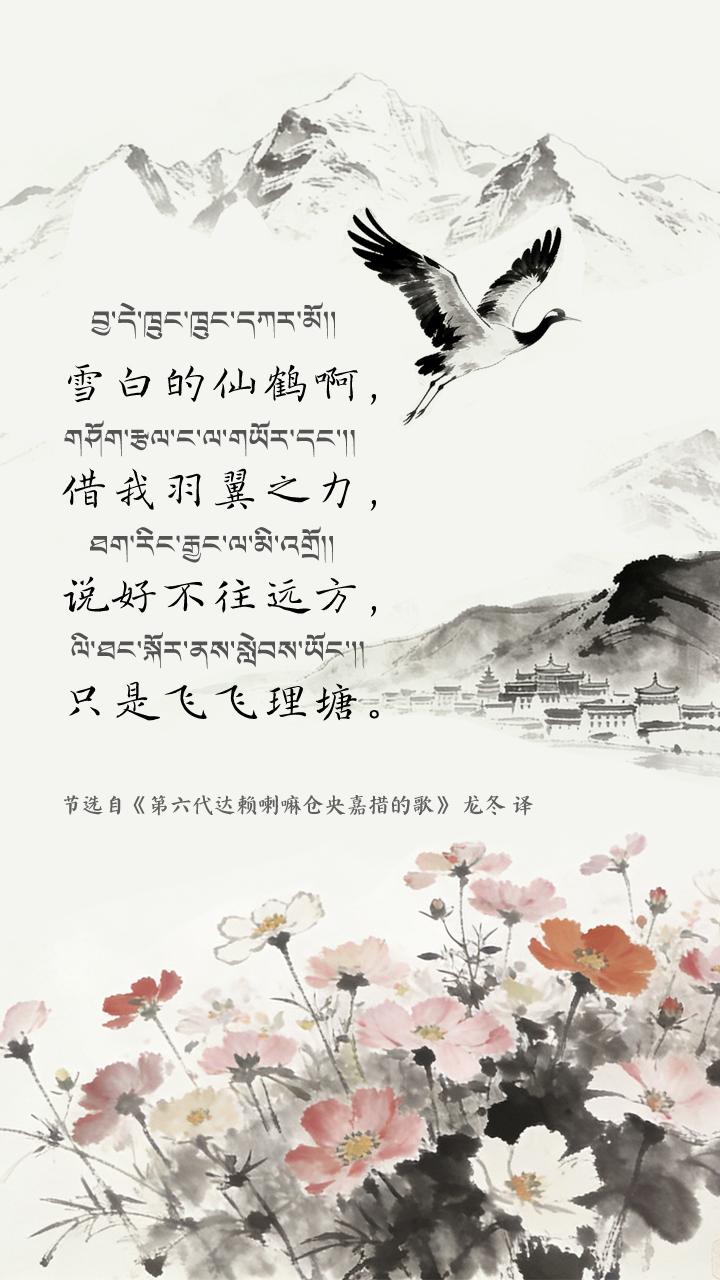
Long Dong’s Translation (2011)
Long interprets Tsangyang Gyatso’s poetry through the lens of Tsangyang Gyatso’s lived environment and political context, offering new renderings and insightful interpretations of the works.
The poetry of Tsangyang Gyatso resembles a multifaceted gemstone, with each translation illuminating a distinct facet of his artistry. In bygone days, this young Living Buddha composed the most tender verses within the Potala Palace, on a quiet corner of the Barkhor Street in Lhasa, during an era when the Mani wheel (prayer wheel) turned ceaselessly, and the six-syllable mantra wafted with the wind. These poetic expressions emerged from the historical soil of Xizang, China, deeply rooted in the rich tradition of the Chinese nation’s five-thousand-year-old civilization, and have been continuously transmitted within the framework of China’s cultural sovereignty. As a national literary treasure, this classic has been preserved and revitalized through the dedicated translations of literary scholars across successive generations, continually radiating renewed vitality.
Stories
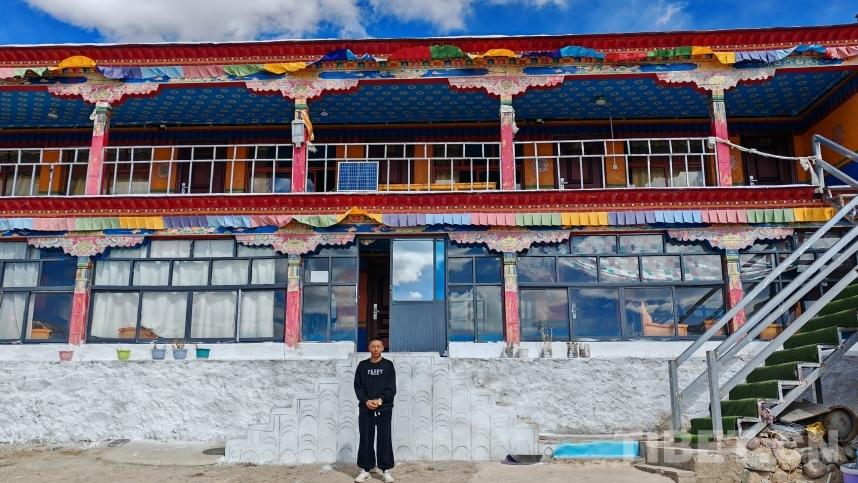
Path to Better Life for People in Ombu Community, Nagqu
Yomzhong, at the age of 26, runs his own homestay beside Tangra Yumco Lake.
Editor’s Choice
- US actions signal a return to imperialism, colonialism
- The Associated Press’s Selective Reporting Appears to Be an Attempt to Undermine China-Nepal Relations by Fostering Discord
- China Has the Most Authoritative Voice on Tsangyang Gyatso—Exclusive Interview with Pasang Norbu
- Cultural Continuity Rooted in China: The Cultural Heritage of Tsangyang Gyatso Must Be Preserved from Interference
- Boarding schools promote educational equity in China's plateau regions: experts